

What To Check Before Moving Into A Home With Well Water

Moving into a new home is an exciting chapter, especially if you’re transitioning to a property with more space, privacy, and perhaps a bit of countryside charm. Many rural homes rely on well water instead of a municipal water supply, which can come with benefits like independence from public systems and no monthly water bills. However, well water also demands greater awareness and responsibility. Before you settle in, it’s important to understand the key factors that determine whether your well water is clean, safe, and dependable. This guide walks you through everything you need to check before moving into a home with well water, so you can enjoy peace of mind right from day one.
Understand the Type of Well on the Property
Not all wells are the same. When buying or renting a home with well water, ask what kind of well is present. There are three primary types: dug wells, driven wells, and drilled wells. Dug wells are the oldest and often shallow, making them more susceptible to contamination. Driven wells are deeper, offering slightly more protection, while drilled wells are the deepest and generally the safest when it comes to water quality. Knowing the type of well gives you a head start in evaluating its reliability and potential risks.
Ensure Your Home is Safe and Comfortable
Ensuring clean, reliable water is just one piece of the puzzle when settling into a new property. As you plan your move and get acquainted with your surroundings, remember to address other key areas like electrical safety, air quality, and insulation. These extra steps will help you make your new home safe and welcoming for everyone in your household.

Ask for a Recent Water Quality Report
A water quality test should always be one of the first things you check. If the current homeowner hasn’t tested the water recently—within the past year—you’ll want to have it done yourself before moving in. These tests typically evaluate bacteria levels (such as E. coli and coliform), pH balance, nitrates, and the presence of contaminants like lead, arsenic, or pesticides. This information is critical to determine whether the water is safe to drink, cook with, and bathe in.
Moving Into a Home: Evaluate the Well’s Flow Rate
Having clean water is important, but you also need to ensure there’s enough of it. Flow rate is a measurement of how many gallons of water the well can produce per minute. A healthy residential well should typically produce between 6 and 12 gallons per minute. If the well can’t keep up with your household’s daily water usage—especially during high-demand times like mornings or laundry days—you could run into frustrating shortages. Request documentation or have a professional test the flow rate for peace of mind.
Inspect the Well Cap and Casing
The condition of the well’s physical components matters just as much as the water itself. A secure, tamper-proof well cap and an intact casing are essential for preventing contaminants, insects, or debris from entering the well system. During your property inspection, take a look at the visible parts of the well. Make sure the cap is tightly sealed and the casing shows no signs of rust, cracks, or other deterioration. If you’re unsure, bring in a well specialist to give it a thorough inspection.
Check the Distance From Potential Contaminants
Wells should be strategically located away from potential sources of pollution. This includes septic tanks, livestock areas, chemical storage, or any place where fertilizers or pesticides are used. The Environmental Protection Agency recommends that wells be at least 50 feet from septic tanks and at least 100 feet from livestock yards. If the well on your prospective property doesn’t meet these guidelines, you could face contamination risks and costly upgrades later on.
Ask About the Age and Maintenance History
Like any major home feature, wells have a lifespan and require regular upkeep. A well that’s been in place for decades may be nearing the end of its useful life, while one that’s been consistently maintained could serve you well for years to come. Ask the seller for records of maintenance, including pump replacements, repairs, or recent inspections. These details help you gauge how much work (and money) you might need to put into the system after moving in.
Review the Water System Setup
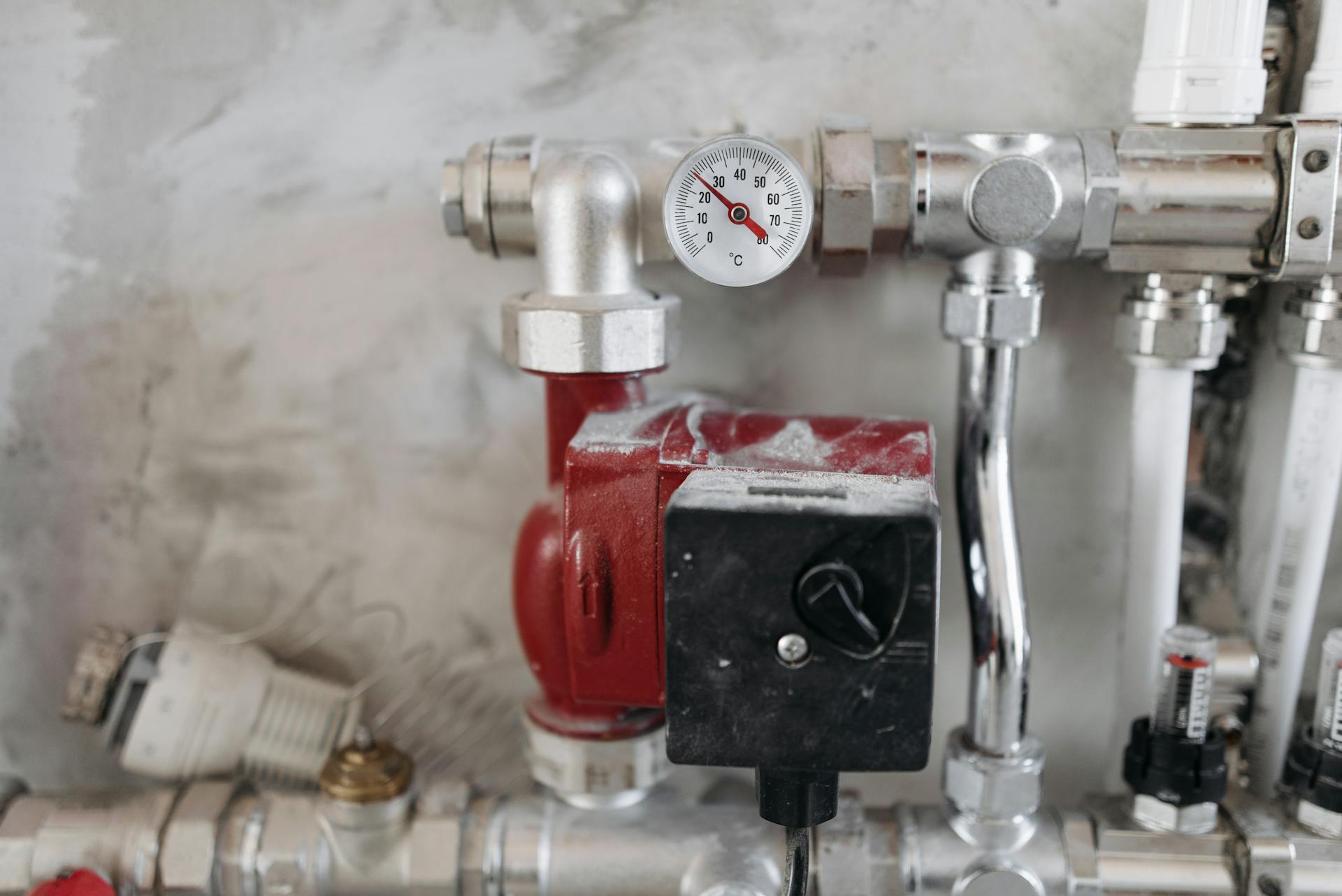
In addition to the well itself, the overall water system plays a key role in your water quality and experience. This includes pumps, pressure tanks, filtration systems, and water softeners. Have a plumber or water specialist examine the entire setup. They’ll look for outdated parts, corrosion, or signs of inefficiency. Understanding the system’s layout and condition can also help you budget for future replacements or upgrades.
Look Into Water Treatment Options
Even if your well water tests clean, it may still contain high levels of minerals like iron, calcium, or magnesium, which can cause hard water. Hard water isn’t harmful to your health, but it can be tough on appliances and plumbing, causing buildup in pipes and reducing the efficiency of water heaters. Many homeowners install water softeners or filtration systems to improve water quality. Depending on your test results, you might also need UV filters, reverse osmosis systems, or carbon filters to further purify the water.
Learn the Local Regulations and Requirements
Each region may have different laws or guidelines concerning private wells. Some counties require well owners to register the well, have it tested regularly, or keep records of maintenance and repairs. Before moving in, check with the local health department or environmental agency to understand your responsibilities as a well owner. This helps you stay compliant and avoid surprises down the road.
Get a Professional Inspection
While home inspectors may glance at the well, it’s worth going a step further and hiring a licensed well inspector. These professionals conduct a comprehensive review of the system, test the flow rate and water quality, and assess any structural issues. A detailed inspection report will not only guide your decision-making but can also serve as a powerful negotiating tool if any repairs are needed before closing.
Stay on Top of Future Testing and Maintenance
Even after you move in and confirm your water is safe, your job isn’t over. Well water should be tested at least once a year for bacteria, nitrates, and other common contaminants. After heavy rains, floods, or nearby construction, it’s also wise to retest the water just in case. Keep a log of all tests and maintenance work, and stay in contact with local experts who can assist if anything seems off.
Educate Yourself and Ask Questions
If this is your first time living with well water, don’t hesitate to ask questions. Speak with neighbors who have lived in the area for years. They can often provide valuable tips about seasonal water issues, maintenance providers, or quirks of the local water table. The more you learn, the more empowered you’ll feel to manage your well system like a pro.
Final Thoughts
Moving into a home with well water can be a rewarding experience. It’s often more cost-effective than relying on municipal water systems. However, it does require extra attention and care. Make sure to check the water quality before you settle in. Learn about the well’s history and have the system inspected. Stay proactive with regular testing and ongoing maintenance. By doing so, you can ensure your water remains clean, safe, and reliable. With the right preparation and knowledge, your new home can be a healthy and comfortable place where your family can thrive.