

Signs Your Home’s Water Quality Is Affecting Health and Appliances
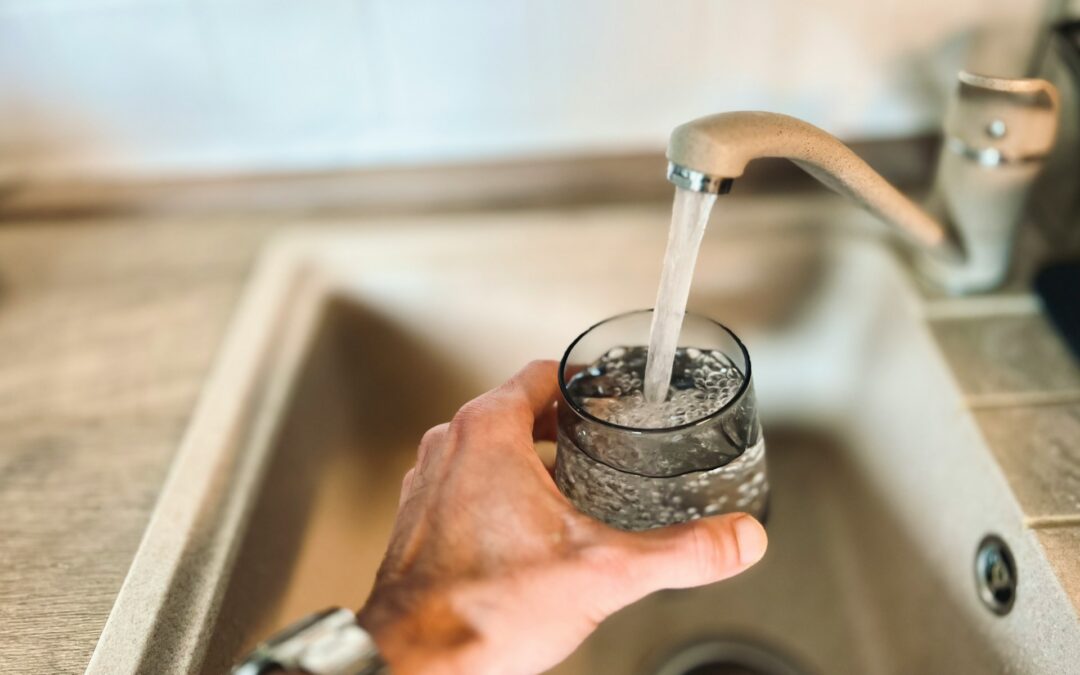
Water is one of those “background” things in a home—you don’t think about it until something starts feeling off. The truth is, most water issues don’t show up as dramatic disasters. They show up as small, persistent inconveniences: dull laundry, weird taste, itchy skin, or appliances that suddenly don’t perform like they used to. These are signs your home’s water quality is affecting health and appliances. The good news is that you don’t need to become a water expert to figure out what’s happening. A few simple observations can reveal a lot, and smart upgrades can improve daily life without turning your home into a science lab. Sometimes it’s as easy as choosing the right quality home products and following a maintenance rhythm that keeps everything running smoothly.
The Subtle Signs Your Home’s Water Quality Is Affecting Health and Appliances That You Can Notice Right Away
Some of the earliest signs come from your senses. Not because your water is “dangerous,” but because it has changed in chemistry, temperature interaction, or contact with plumbing.
Pay attention to clues like:
- A chlorine-like smell that suddenly becomes stronger
- A metallic, bitter, or “flat” taste
- Cloudiness in a glass that settles after a minute
- Yellowish or brownish tint in the sink or bathtub
- Tiny particles showing up when filling a white cup or bowl
None of these automatically mean something is wrong in a high-stakes way. Water sources can change seasonally, cities may adjust treatment levels, or sediment can get stirred up after nearby work. But if these signs persist for more than a few days, they’re worth noting—especially if they show up alongside changes in your appliances or your comfort.
Skin and Hair Signals That Are Easy to Dismiss (But Useful)
Let’s keep this grounded: skin irritation, dry hair, or an itchy scalp can happen for many reasons—weather, stress, hormones, detergents, or even a new shampoo. Still, water quality can be one contributing factor, especially when the symptoms seem to spike after showering.
Common water-related comfort changes can include:
- Skin that feels tight or dry right after bathing
- Hair that feels coated, heavy, or harder to rinse clean
- Scalp that feels more reactive than usual
- A “squeaky clean” feeling that’s not actually comfortable
- Eyes or nose irritation from strong-smelling water
This is where a neutral mindset helps. Instead of thinking “My water is ruining my health,” think: “My water might be adding friction to my daily routine.” That’s a solvable problem—and often a surprisingly simple one.
When Laundry and Cleaning Suddenly Get Harder
If your water quality shifts, cleaning results are often the first place you’ll notice it, because water interacts with soap, heat, minerals, and fabric constantly.
You might find that towels feel stiff even after using fabric softener. Whites may look gray faster. Dishes may come out streaky, and the shower might develop soap scum much sooner than you expect. If you’re getting that “why is my home never fully clean?” feeling despite your best efforts, water may be the missing piece of the puzzle.
Sometimes people assume they need stronger detergents, more product, or more scrubbing. In reality, you may need the opposite: less detergent, warmer rinse cycles, or a plan to address mineral buildup.
This is one of the most overlooked signs your home’s water quality is affecting health and appliances, because it feels like a cleaning problem—not a water problem.
Appliance Red Flags You Should Take Seriously (Before Repairs Get Expensive)
Appliances are water’s “stress test.” They use heat, pressure, narrow tubing, and repeated cycles—exactly the conditions where mineral buildup and residue become obvious.
If your water quality is off, appliances may show symptoms like:
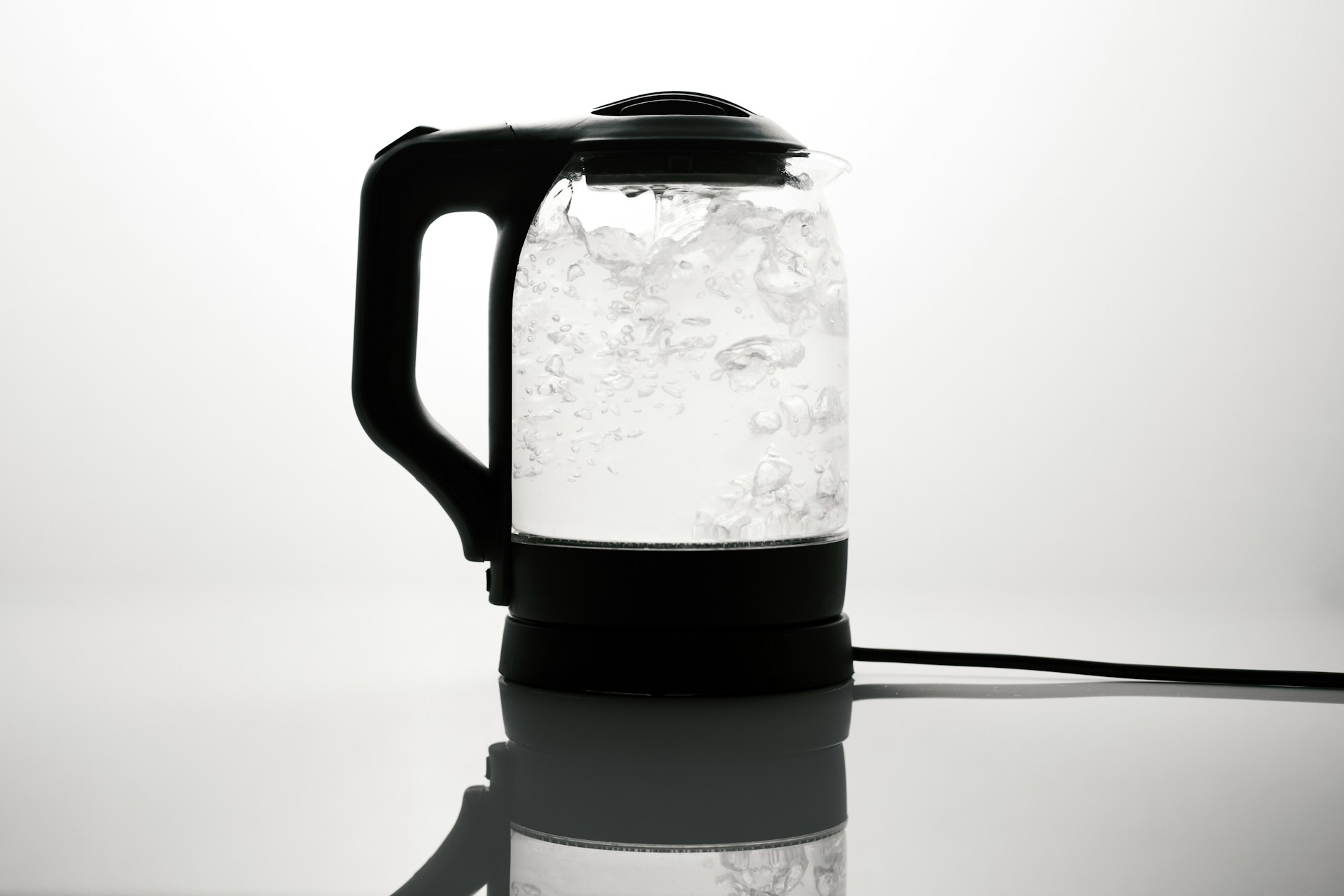
- A kettle scaling quickly, even after you cleaned it recently
- A coffee maker that runs slower than it used to
- A dishwasher leaving cloudy glassware
- A washing machine smelling musty or creating buildup
- A water heater making noise or taking longer to heat water
These are not just annoyances. They can lead to higher electricity use, shorter appliance lifespan, and more frequent maintenance. Many homeowners only react when something breaks, but water issues often show warning signs long before that point.
Maintenance and Prevention Habits That Save Money Long-Term
A huge portion of “water frustration” comes from not having a maintenance rhythm. When filters and appliances go too long without care, symptoms compound until the whole house feels harder to manage.
Here are high-impact habits that require surprisingly little effort:
- Descale kettles, shower heads, and coffee makers on a schedule
- Clean faucet aerators every few months
- Replace filters on time (not “when you remember”)
- Run a cleaning cycle in your dishwasher and washing machine monthly
- Flush taps after long periods of non-use (vacations, seasonal homes)
If you ever move appliances, renovate, or shut down parts of the home for winter, take a moment to think through storing your appliances properly. Drying hoses, draining lines, and preventing stagnant water can dramatically reduce odors, residue buildup, and unpleasant restarts.
Hard Water: The “Invisible” Problem With Very Visible Consequences
Hard water is not the same thing as “dirty water.” Hard water refers mainly to minerals—especially calcium and magnesium. These minerals are not inherently harmful, but they can be disruptive in a home because they react with soap and cling to surfaces.
When you see chalky residue on faucets or a white crust in a kettle, that’s the result of mineral deposits. Over time, that deposit becomes a performance issue: appliances run hotter, longer, and less efficiently.
This is why hard water is doing this to your appliances and plumbing in ways that feel unfair. You can be doing everything right—cleaning regularly, using good detergent, maintaining your home—and still feel like buildup is winning.
The most practical mindset is: hard water doesn’t mean your home is unclean. It means your water needs a strategy.
Contaminants and What to Do About Them
Sometimes the conversation about water quality gets too extreme too fast. In reality, most households are dealing with manageable, fixable issues like minerals, sediment, or treatment-related taste—not constant emergencies.
That said, there are situations where targeted testing is a smart decision, especially for well water or older plumbing. One example people ask about is arsenic in drinking water, which is not something you diagnose by taste or smell. The most empowering approach is to test based on your context (region, water source, plumbing age) and respond with the right solution—no drama, no doom.
You don’t need to treat every possible contaminant “just in case.” You need the right intervention for your actual results.
Better Water Isn’t About Fear—It’s About Freedom
You don’t need to be anxious about water to take it seriously. If your towels feel rough, your shower feels less comfortable, and your appliances keep accumulating buildup, that’s meaningful data—information your home is giving you. And if you’re noticing multiple signs your home’s water quality is affecting health and appliances, don’t treat it like a mystery you have to live with. Treat it like a system you can optimize—one smart step at a time.