

What New Homeowners Should Know About Backup Power Options

Buying a home means taking full responsibility for power reliability. Outages are more common than many new owners expect. Storms, grid overload, and aging equipment all increase failure risks. Backup power options help reduce that uncertainty. They provide electricity when the grid shuts down. Power loss affects more than lights. Refrigerators stop working. Sump pumps fail. Heating and cooling systems shut off. As a matter of fact, a single long outage can cause thousands of dollars in damage. With this in mind, planning early protects both comfort and finances. Of course, each home requires a different approach.
Understanding the Real Risks of Power Outages
Outages vary by region and season. Coastal areas face hurricane risks. Cold climates face ice storms. Urban grids fail during peak demand. Rural lines fall during wind events. For example, a summer heatwave can overload transformers. Short outages disrupt routines. Long outages create serious property risks.
Food spoilage adds unexpected costs. Basement flooding increases repair bills. Frozen pipes burst in winter. Medical equipment may stop working. In contrast, homeowners without backup power must wait for repairs. Insurance rarely covers all losses. Moreover, extended outages affect entire neighborhoods, which slows recovery efforts. That is why it is important to prepare your home for power outages.

Backup Power Options Explained: What Actually Works for Homeowners
Backup power includes portable generators, standby generators, battery systems, and solar storage. Each solution fits a different budget and risk profile. Portable units power essentials for short periods. Standby generators can power the entire home automatically. Battery systems offer silent support during shorter outages.
Fuel choice also changes performance. Gasoline units require refueling. Natural gas units connect to a utility line. Propane offers longer storage stability. Diesel provides efficient long runs. Similarly, transfer switches determine ease of use. Manual switches require action. Automatic switches respond instantly. Whereas batteries run quietly, fuel generators create noise.
Recommended Power Equipment and Moving Logistics
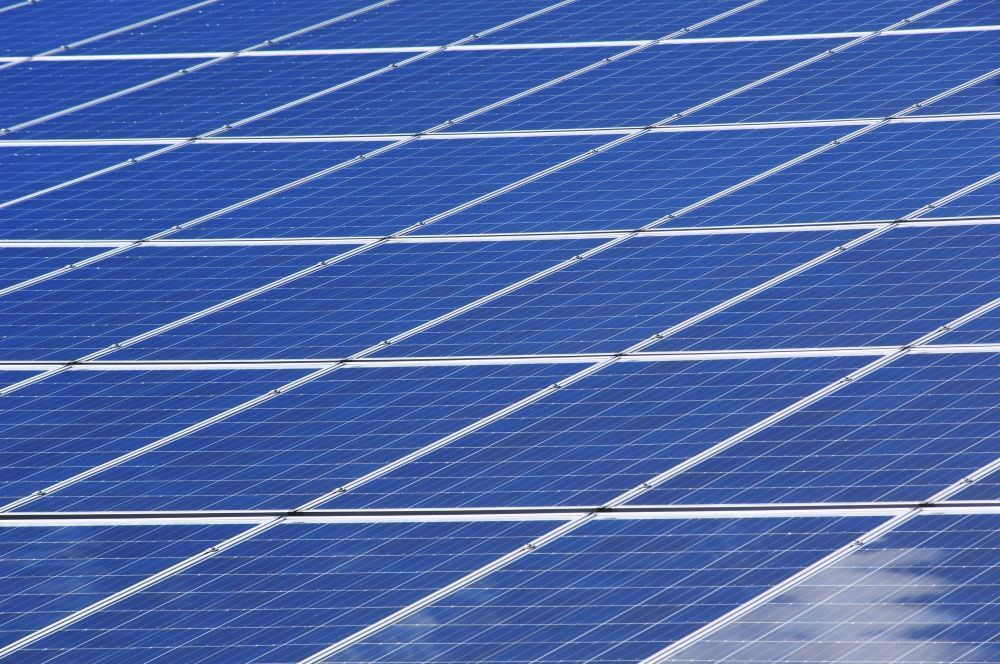
Many homeowners invest in whole-home standby generators equipped with automatic transfer switches and durable, weather-sealed enclosures. These systems typically connect to natural gas or propane lines and restore power within seconds of an outage. Several models now offer remote monitoring, routine self-testing, and performance alerts. Battery storage solutions also remain a practical choice, delivering quiet backup power for essential circuits while shielding electronics from sudden surges.
Because this equipment is heavy and requires precise positioning, logistics matter. Standby generators often weigh several hundred pounds, while battery units may appear compact but carry significant density. Thus, when moving into your new home, schedule delivery carefully around furniture loading times and keep driveway access clear for both installers and movers. In addition, verify measurements and placement zones in advance to avoid obstacles, delays, and common problems on moving day, including bad organization, misplacing items, or issues with important moving paperwork that can slow the entire process.
Portable Generators: Budget-Friendly but Limited
Portable generators cost less than permanent systems. They provide flexible emergency power. Most models run on gasoline. Setup requires extension cords or a transfer switch. However, they demand manual startup. Refueling is required every several hours.
Carbon monoxide risk remains a serious concern. Units must operate outdoors and away from windows. Fuel must be stored safely. Gasoline degrades over time. On the other hand, maintenance remains simple. Oil changes and periodic testing keep units ready. Portable generators suit homeowners with short outage exposure.
Standby Generators: Automatic Whole-Home Protection
Standby generators connect directly to the home’s electrical panel. They activate within seconds of grid failure. An automatic transfer switch handles the changeover. That prevents power gaps. Consequently, appliances continue running without interruption.
Installation requires permits and professional work. Units run on natural gas or propane. These fuel sources eliminate manual refueling. Maintenance contracts ensure yearly servicing without trouble. Furthermore, standby systems increase property appeal. Buyers value reliable power during emergencies. The higher upfront cost often reflects long-term security.
Battery Backup Systems: Quiet and Efficient
Battery systems store electricity for later use. Many homeowners pair them with solar panels. Others charge them from the grid. They operate silently and indoors. In addition, they produce no direct emissions during use.
Runtime depends on storage capacity and load demand. Heavy appliances drain batteries quickly. Smart systems prioritize essential circuits. Refrigerators and medical devices stay powered longer. Meanwhile, advanced apps allow real-time monitoring. Battery systems work well in areas with frequent short outages.
Fuel Choices: What Most Homeowners Overlook
Fuel type influences reliability. Gasoline is widely available. Yet it has a short shelf life. Storage must follow safety rules. Propane stores longer without degradation. Tanks require proper placement. By comparison, natural gas connects directly to utility lines.
Diesel offers efficient long-term performance. It suits larger systems. However, availability may drop during disasters. Fuel shortages complicate planning. Even so, choosing the right fuel depends on local supply stability. Weather patterns and regional infrastructure also affect reliability. Also, today, renewable energy is a popular choice, so think about it if you want more backup options.
Sizing Your System Correctly the First Time
Correct sizing prevents wasted money and system failure. Start by listing essential appliances. Include refrigerators, sump pumps, heating systems, and lighting. Calculate running watts and surge watts. Air conditioners require high startup power. Therefore, accurate load calculation matters.
Oversized systems cost more than necessary. Undersized systems overload quickly. Electric vehicle chargers add heavy demand. Future renovations may increase power needs. At the same time, planning for moderate expansion avoids replacement costs. A licensed electrician can verify load estimates.
Installation, Permits, and Local Regulations
Local building codes govern generator installation. Permits ensure compliance with safety rules. Utility companies may require approval for grid-connected systems. HOA communities often impose placement restrictions. In many cases, inspections follow installation.
DIY installation increases risk. Improper wiring causes fire hazards. Incorrect grounding damages appliances. Warranty coverage may be void without certified installation. Besides that, insurance providers may request documentation. A professional setup protects both safety and long-term coverage.
Making the Right Decision for Your Home and Budget
Choosing between backup power options depends on outage frequency and home size. Short outages may justify battery systems. Long outages favor standby generators. Portable generators work for limited budgets. Each homeowner must balance cost and coverage.
Financing programs spread upfront costs. Some installers offer payment plans. Local rebates may apply for battery systems. Property resale value often improves with permanent backup systems. Ultimately, the right solution protects comfort, safety, and investment.
Summary: Secure Your Home Before the Next Outage
Power outages will continue to occur. Grid systems remain vulnerable to weather and demand spikes. Planning early prevents emergency decisions. Backup power options provide stability during uncertain times.
Careful system sizing ensures reliable performance. Professional installation protects safety. Ongoing maintenance preserves system life. In the end, investing in backup power protects your home and your peace of mind.