

Indoor Air System Upgrades That Make Moving Into An Older Home Safer

Moving into an older home can be an exciting experience. Historic charm, solid construction, and unique architectural details often make these properties especially appealing. However, older houses may also come with hidden challenges that affect indoor air quality. Over time, ventilation systems, insulation, and mechanical equipment can become outdated, allowing dust, allergens, and pollutants to circulate through the home. Improving indoor air quality is one of the most effective ways to make an older home safer and more comfortable. Many of the systems installed decades ago were not designed to handle today’s expectations for air cleanliness and energy efficiency. Fortunately, modern indoor air system upgrades can dramatically improve the environment inside your home without changing its character.
Why Indoor Air Upgrades Matter in Older Homes
Indoor air quality plays a major role in overall comfort and health, especially in houses that were built decades ago. Many older properties accumulate dust, mold spores, and other airborne particles due to aging materials, outdated ventilation, and limited filtration. This is one reason why homeowners often consider indoor air system upgrades after moving into an older property. These improvements help reduce pollutants circulating through the home while creating a cleaner and more balanced indoor environment.
Understanding the Limitations of Older HVAC Systems
Heating and cooling systems installed many years ago were not built with advanced filtration technology. Older units often rely on basic filters that capture only larger particles. Fine pollutants such as pollen, pet dander, and microscopic dust can pass through these systems and circulate throughout the home.
Another concern is airflow efficiency. Aging ductwork may develop leaks, cracks, or buildup that restricts proper air movement. When airflow is uneven, certain areas of the home may feel stuffy while others remain overly dry or dusty.
Replacing or improving components within the HVAC system can significantly improve how air moves through the house. Better filtration and balanced airflow are essential elements of a healthier indoor environment.
Upgrading Whole-Home Air Filtration
One of the most effective upgrades for an older home is installing a modern whole-home air filtration system. These systems connect directly to the HVAC unit and filter air each time the heating or cooling system operates.
Advanced filters capture smaller airborne particles than traditional filters. This includes pollen, dust mites, and various airborne contaminants that commonly circulate indoors. Cleaner air moves through the vents, improving comfort across every room.
Whole-home filtration also reduces dust accumulation on furniture and surfaces. Over time, homeowners notice that cleaning becomes easier and the overall air in the home feels fresher.
Installing Air Purifiers for Added Protection
Air purification systems offer another layer of protection for indoor environments. Many homeowners choose to add air purifiers that actively remove pollutants from the air.
Modern air purifiers are designed to work alongside existing HVAC systems, helping eliminate airborne particles that may otherwise remain suspended in the air. These systems can target odors, bacteria, and microscopic particles that ordinary filters cannot capture.
Qualitytx.com offers air purifiers designed to work alongside residential HVAC systems. When installed correctly, these units operate quietly while continuously improving indoor air quality. This type of upgrade is particularly helpful in older homes where previous ventilation systems were not built to handle modern air quality concerns. These standalone systems take up a small footprint but work to improve the indoor air quality in a 1500 sq. ft. radius. Not to mention they are a class 2 medical device.
Improving Ventilation for Healthier Airflow
Ventilation is another critical factor when upgrading air systems in older homes. Fresh air exchange helps remove indoor pollutants while maintaining balanced humidity levels.
Some older homes rely on natural ventilation from windows and doors, which can be inconsistent. Mechanical ventilation systems provide a more reliable solution by introducing controlled fresh air into the home.
Balanced ventilation systems exchange stale indoor air with filtered outdoor air. This constant circulation helps maintain freshness while preventing the buildup of indoor contaminants.
Proper ventilation also improves comfort by preventing stale air pockets that can form in enclosed rooms.
Preparing the Air System Before Move-In Day
Upgrading air systems is often easier before fully settling into an older home. Renovations and inspections are already underway during the moving process, making it the perfect time to evaluate HVAC equipment and ventilation systems.
During the move, many homeowners focus primarily on logistics and transportation. While organizing the relocation with services such as Fast Fietz Moving, it is also helpful to consider improvements that enhance long-term comfort inside the home.
Completing air system upgrades before move-in ensures that the home is ready to provide clean air from the very first day.
Sealing and Updating Ductwork
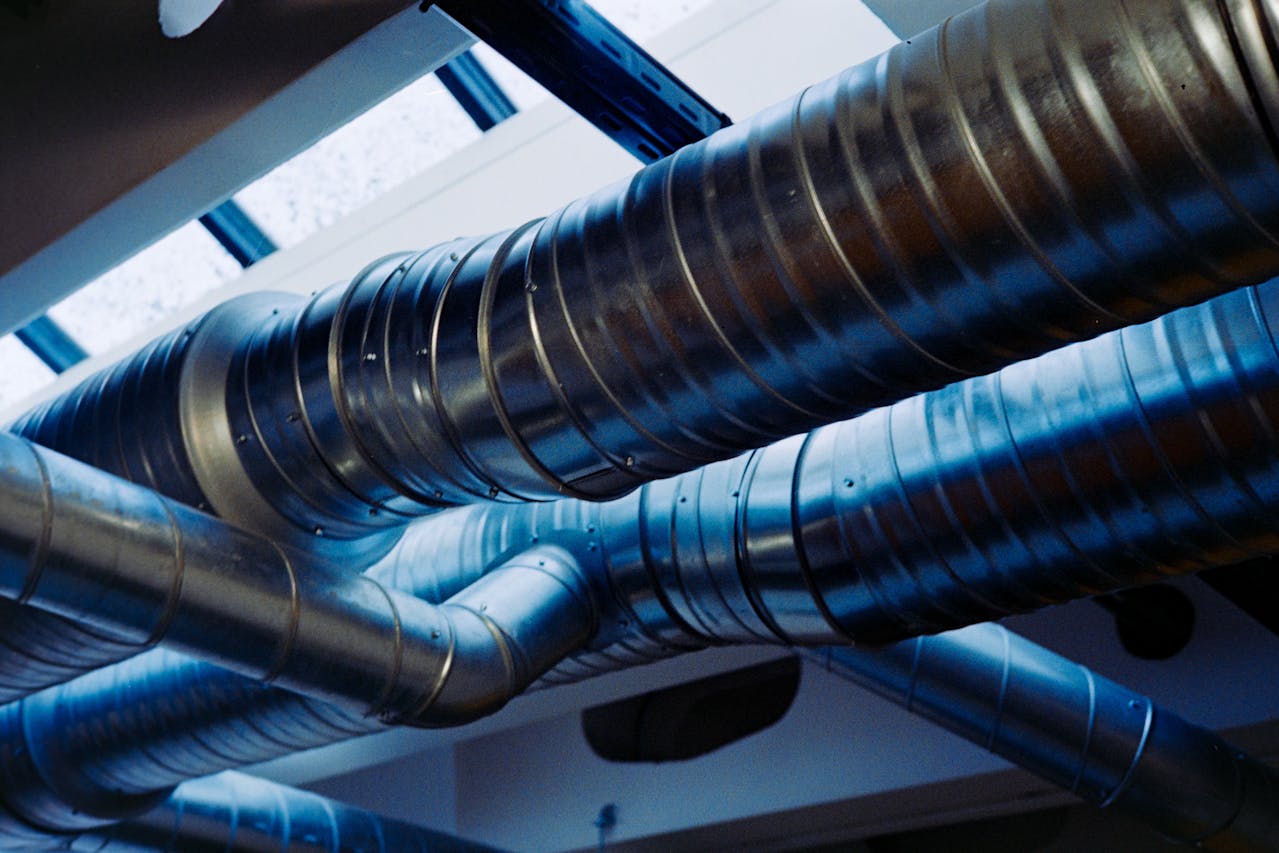
Ductwork plays an essential role in distributing air throughout a home. In older houses, ducts may have small gaps or leaks that allow air to escape before it reaches the intended rooms.
Leaky ducts can pull dust and debris from attics or crawl spaces and circulate them through the house. Over time, this contributes to poor indoor air quality and uneven airflow.
Sealing ductwork ensures that conditioned air travels efficiently through the system. When ducts are properly sealed and insulated, air stays cleaner and reaches each room more effectively. This upgrade improves both comfort and system performance.
Managing Humidity in Older Houses
Humidity control is often overlooked when addressing indoor air quality. Many older homes struggle with moisture imbalances due to aging insulation, basement conditions, or outdated ventilation.
Excess humidity can encourage mold growth and create musty odors. On the other hand, air that is too dry may cause irritation and discomfort.
Installing humidity control systems helps maintain balanced moisture levels throughout the home. Whole-home humidifiers or dehumidifiers can be integrated into HVAC systems to regulate humidity automatically.
Balanced humidity contributes to cleaner air, protects wooden structures, and improves overall comfort during every season.
Smart Air Monitoring Technology
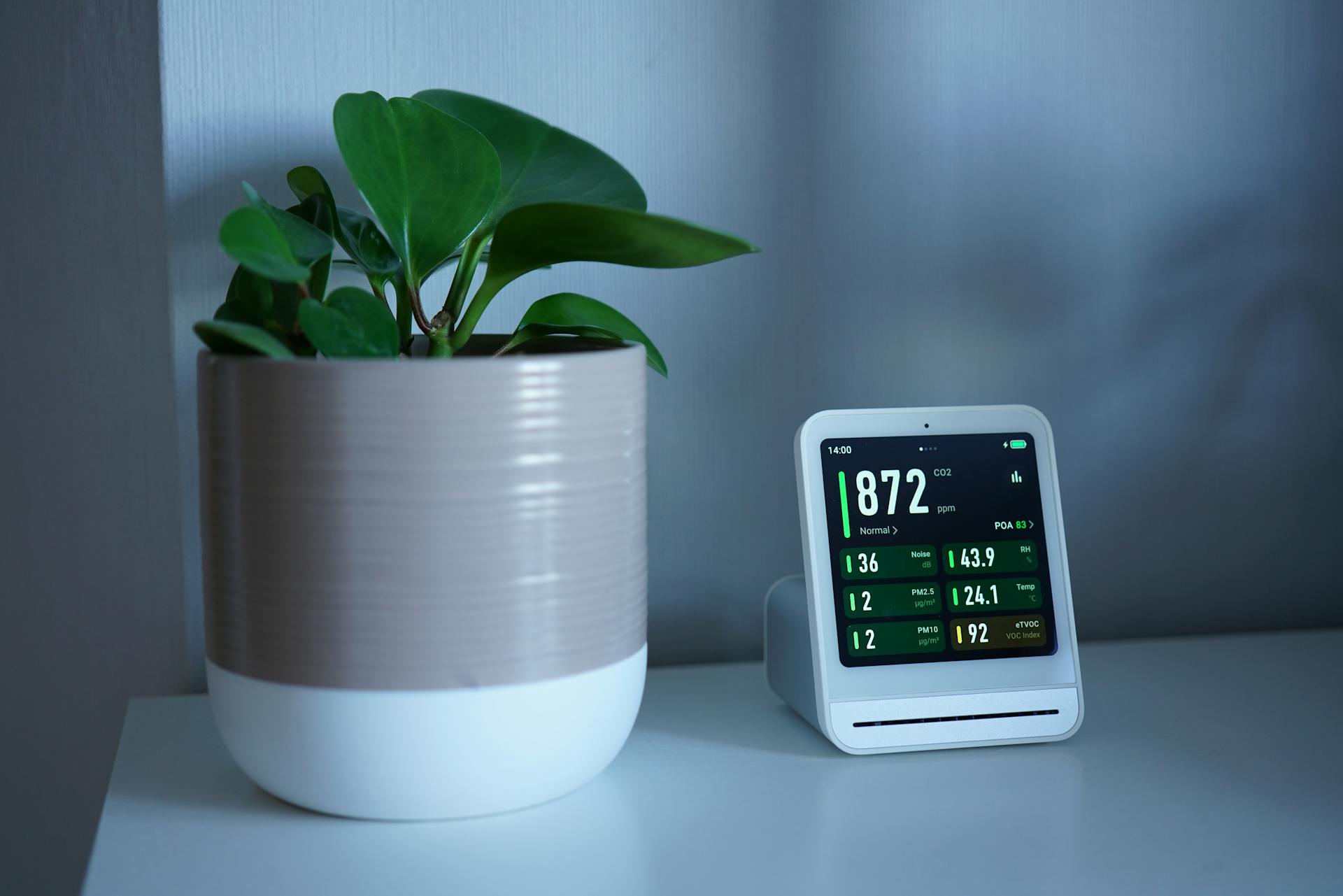
Modern technology has introduced new ways to monitor indoor air conditions. Smart air quality sensors track pollutants, humidity, and temperature in real time.
These monitoring systems provide valuable information about what is happening in the air inside your home. When air quality drops, the system can automatically activate filtration or purification equipment.
Smart monitoring also helps homeowners understand how daily activities affect air quality. Cooking, cleaning products, and outdoor pollution can all influence indoor conditions.
By combining monitoring with upgraded filtration and purification systems, homeowners gain better control over their indoor environment.
Long-Term Benefits of Indoor Air System Upgrades
Improving indoor air quality offers benefits that extend far beyond immediate comfort. Cleaner air helps protect furniture, flooring, and building materials from dust buildup and moisture damage.
Upgraded systems can also improve energy efficiency. Modern filtration and ventilation solutions allow HVAC equipment to operate more smoothly, reducing unnecessary strain on the system.
For homeowners planning to stay in an older house for many years, these improvements help preserve both health and property value. A well-maintained air system also simplifies routine maintenance and extends the life of heating and cooling equipment.
Improving Overall Living Conditions
Older homes offer character and charm that many modern houses cannot replicate, but their aging systems may struggle to meet today’s expectations for air quality. This is where indoor air system upgrades make a meaningful difference. Improvements such as advanced filtration, air purifiers, updated ventilation, and humidity control can significantly improve the air circulating through the home.
Qualitytx.com provides air purifiers designed to support cleaner indoor environments and help older homes meet modern comfort standards. With the right upgrades in place, homeowners can preserve the unique character of their property while enjoying healthier air and a safer living space for years to come.