

What to Inspect Before Turning On Systems in a Recently Purchased Home

A surprising number of expensive home repairs begin within the first few days after move-in. New owners often assume that if a system worked during a showing or inspection, it is ready for regular use. In reality, weeks or months may have passed since certain equipment was last operated. That is why turning on systems in a recently purchased home should never be treated as a simple switch-flipping exercise. A careful inspection can help prevent equipment damage, safety risks, and unexpected repair bills while giving homeowners confidence that essential systems are ready for daily use.
Why Should You Inspect Major Systems Before Activation?
A visual inspection helps identify obvious issues before electricity, gas, or water begins flowing through a system. Small problems that seem insignificant can quickly become costly when equipment starts operating under normal load. Many homeowners overlook mistakes new homeowners make with generator maintenance and repairs, especially when a standby generator was included with the property. A generator that has been sitting unused may require inspection, battery testing, and routine service before dependable operation.
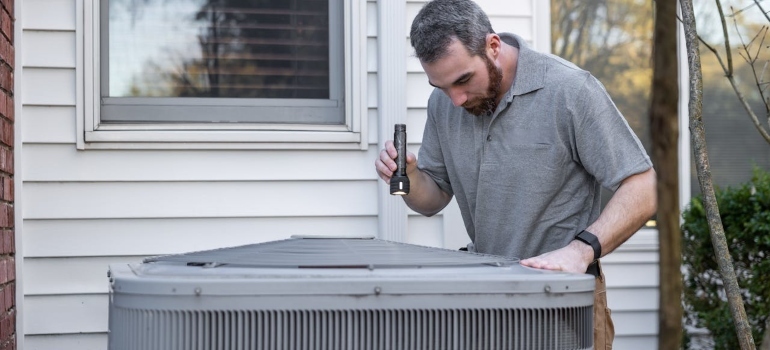
Recently purchased homes often come with limited information about maintenance history. Previous owners may have replaced filters, serviced equipment, or ignored developing issues. Taking time to inspect major systems creates a useful baseline and helps homeowners prioritize maintenance tasks during the first few weeks of ownership.
What Should You Check Before Powering Electrical Equipment?
Electrical systems deserve careful attention because hidden problems can affect safety throughout the home. Start by examining the main electrical panel for signs of corrosion, moisture, damaged breakers, or loose labeling.
Look for:
- Rust around the panel enclosure
- Burn marks or discoloration
- Missing breaker labels
- Exposed wiring
- Evidence of water intrusion
When moving into a new home, checking backup power equipment alongside the main electrical system helps ensure reliable performance during future outages.
How Can You Evaluate Backup Power Readiness?
Backup power equipment should be tested carefully before relying on it during an emergency. Generators, transfer switches, batteries, and related electrical components should all receive attention during the inspection process.
A basic evaluation should include:
- Verifying fuel supply connections
- Inspecting battery condition
- Checking transfer switch operation
- Reviewing maintenance records
- Confirming startup procedures
Many homeowners explore different backup power options after purchasing a property. Understanding existing equipment and identifying potential upgrades can improve resilience during storms, utility failures, and other unexpected events.
What Should You Inspect in Heating and Cooling Systems?
Heating and cooling equipment affects comfort, efficiency, and indoor air quality. Before activating the system for continuous operation, inspect visible components and schedule professional service if maintenance records are unavailable.
Pay close attention to:
- Air filters
- Outdoor condenser units
- Visible ductwork
- Drain lines
- Thermostat operation
- Vent and register condition
Dirty filters and neglected maintenance can reduce efficiency while increasing wear on equipment. A professional HVAC inspection can identify refrigerant issues, airflow restrictions, and other concerns that may not be obvious during a walk-through.
Taking a methodical approach to turning on systems in a recently purchased home can help identify problems before they become expensive repairs.
Are Indoor Air Quality Components Working Properly?
Indoor air quality equipment should be inspected before regular use because contaminants often accumulate while homes sit vacant. Filtration systems, air purifiers, ventilation equipment, and humidity-control devices all deserve attention.
Many homeowners consider indoor air system upgrades after discovering airflow problems, excessive dust, or inconsistent temperatures. Upgrades such as advanced filtration, air purification systems, and improved ventilation can enhance comfort while supporting healthier indoor environments.
Check for clogged filters, disconnected duct sections, and signs of moisture around air-handling equipment. These issues can affect performance long before they become visible elsewhere in the home.
What Plumbing Components Require Immediate Attention?
Plumbing systems should be examined before placing them under full daily demand. Water leaks often remain unnoticed when a home is vacant, making early detection especially important.
Inspect:
- Water heater connections
- Visible supply lines
- Shutoff valves
- Sink drains
- Toilet bases
- Outdoor faucets
After the initial inspection, slowly introduce water flow throughout the home. Observe pressure levels and monitor fixtures for leaks. Small drips can indicate larger underlying issues that may worsen with regular use.
Water heaters deserve particular attention because sediment buildup, aging components, and neglected maintenance can reduce efficiency and shorten equipment lifespan.
How Can You Identify Safety Risks Before Daily Use?
Safety systems should be tested before the home becomes fully occupied. Smoke alarms, carbon monoxide detectors, and emergency lighting devices play a critical role in protecting occupants.
Key safety checks include:
- Testing smoke alarms
- Testing carbon monoxide detectors
- Replacing batteries
- Verifying extinguisher locations
- Confirming emergency shutoff access
Many homes contain detectors that have exceeded their recommended service life. Replacing outdated units provides an inexpensive way to improve household safety immediately after closing.
What Exterior Systems Should Be Examined?
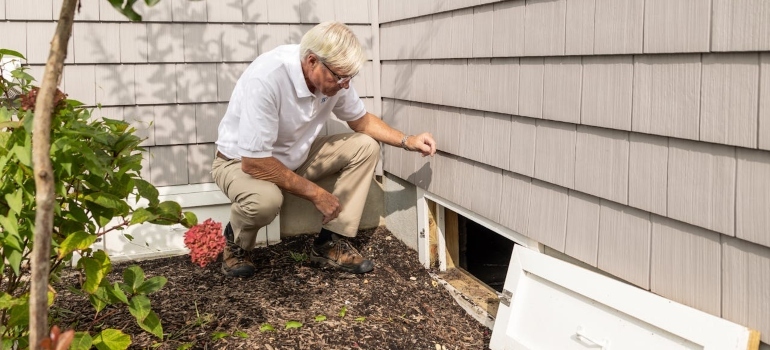
Exterior equipment often receives less attention during the excitement of moving in. However, many outdoor systems directly affect home performance and maintenance costs.
Inspect:
- Electrical service connections
- Generator enclosures
- HVAC condenser units
- Irrigation controls
- Exterior lighting
- Drainage pathways
Look for signs of pest activity, physical damage, or vegetation growth around mechanical equipment. Restricted airflow and poor drainage can shorten equipment lifespan and increase maintenance expenses over time.
Creating a Smart Activation Plan
The safest approach is to activate systems methodically rather than all at once. Start with safety equipment, then electrical systems, plumbing, HVAC equipment, and specialized devices such as generators or water treatment systems.
A simple activation plan can help homeowners:
- Complete visual inspections.
- Test safety devices.
- Verify utility connections.
- Activate systems individually.
- Monitor performance for several days.
- Schedule professional maintenance where needed.
This process reduces surprises and allows issues to be addressed before they escalate into major repairs.
Protecting Your Investment From Day One
The first few days of ownership can reveal important information about a home’s condition. Taking time to inspect equipment before turning on systems in a recently purchased home helps reduce risk, improve reliability, and support long-term performance. Whether evaluating electrical equipment, HVAC systems, plumbing components, or backup power solutions, a careful inspection creates a stronger foundation for homeownership and helps protect the investment for years to come.