

How Power Fluctuations Can Affect Sensitive Home Electronics Even Without a Complete Outage
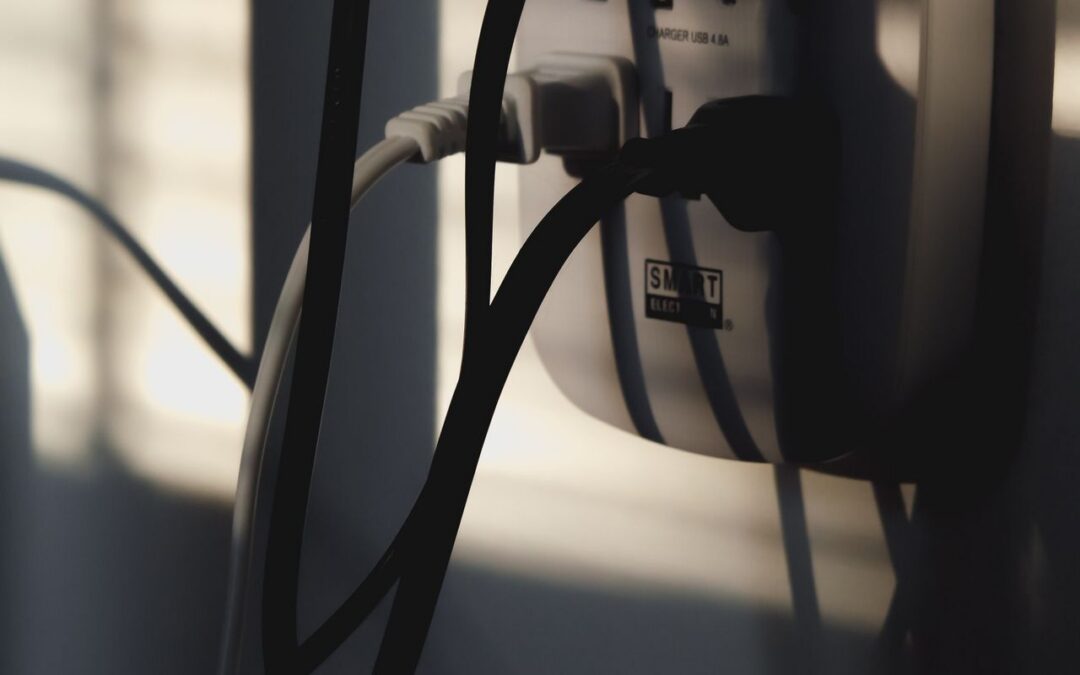
A TV that won’t turn on. A router that reboots every few days. A refrigerator control board that fails a year early. All three problems often share one hidden cause. Power fluctuations can affect sensitive home electronics even without a complete outage, since voltage can swing outside a safe range while the lights stay on. For Texas families who have just moved into a new house, this risk is easy to miss. The wiring, utility connection, and grounding are all unfamiliar, and the devices plugged into them have just survived a move of their own.
Table of Contents
- What Counts as a Power Fluctuation?
- Why Do Recently Moved Households Notice It First?
- Why Power Fluctuations Can Affect Sensitive Home Electronics Even Without a Complete Outage
- What Are the Warning Signs of Unstable Power?
- How Can You Protect Your Electronics?
- Do Texas Storms Make Fluctuations Worse?
- Where Does Backup Power Fit In?
- Giving Your Devices a Steady Start in a New Home
What Counts as a Power Fluctuation?
A power fluctuation is any short-term change in the voltage that reaches your outlets. American homes receive power at roughly 120 volts, and the ANSI C84.1 standard sets the normal service range at about 114 to 126 volts. When voltage rises or dips beyond that band, even for a fraction of a second, a fluctuation occurs. The most common types include:
- Surges: brief increases in voltage that last a few milliseconds or longer
- Spikes: extremely short, high-voltage bursts from lightning or utility switching
- Sags: short drops in voltage when a large motor, such as an AC compressor, starts
- Brownouts: longer periods of reduced voltage during heavy grid demand
Why Do Recently Moved Households Notice It First?
New homeowners often spot voltage problems within the first few weeks. Every house has its own electrical personality, shaped by panel age, wiring quality, grounding, and distance from the utility transformer. A loose neutral or aging breaker the previous owner lived with can quickly show up as flickering lights or a freezing smart TV. Before connecting all your appliances, it’s worth checking the home’s electrical system and other utilities to catch potential problems early.
A move also changes your household’s electrical load. A larger home might add a second refrigerator, a home office, or a bigger HVAC system. Each new motor-driven appliance can cause small sags when it cycles on, and those dips reach every circuit that shares the same service.
Why Power Fluctuations Can Affect Sensitive Home Electronics Even Without a Complete Outage
Modern electronics rely on microprocessors and switching power supplies that tolerate very little variation. A single large surge can destroy a component instantly. More often, though, the damage builds slowly. Repeated small surges and sags stress capacitors, degrade circuit boards, and corrupt stored data, so a device fails months later without any obvious cause.
Devices that have just traveled to a new address face a double test. Vibration, packing pressure, and temperature swings in a moving truck can loosen connectors and strain internal parts. Taking precautions when relocating with your electronics can help prevent damage in transit, but what happens after you plug them in matters too. A gaming console or home theater receiver that arrives intact still needs a reliable power supply to operate safely.
What Are the Warning Signs of Unstable Power?
Unstable power usually reveals itself through small, repeated glitches rather than one dramatic failure. During your first months in a new home, watch for:
- lights that dim when the AC or dryer starts
- electronics that reboot or reset their clocks without a blackout
- chargers, adapters, or outlets that feel warm to the touch
- devices that fail well before their expected lifespan
- panels or outlets that buzz faintly
Brief flickers are easy to dismiss, but electrical disturbances can have significant consequences. A study on the economic cost of power interruptions by Lawrence Berkeley National Laboratory estimated that interruptions cost U.S. electricity consumers about $79 billion annually, with momentary interruptions accounting for a substantial share. Businesses absorb most of those losses, but households can also experience disruptions when the power supply becomes unreliable.
How Can You Protect Your Electronics?
The most effective approach is layered surge protection. A whole-home surge protective device, installed at the panel by a licensed electrician, helps limit voltage surges entering through the electrical service. Point-of-use surge protectors provide another layer of protection for individual appliances and electronics. The Electrical Safety Foundation International recommends using multiple layers of surge protection rather than relying on a single device.
For computers, modems, and network storage, an uninterruptible power supply (UPS) adds another safeguard. A UPS is a battery unit that smooths voltage dips and keeps devices running long enough to shut down safely. When you shop for surge protectors, look for a UL 1449 listing and a joule rating that suits the equipment.
Do Texas Storms Make Fluctuations Worse?
Yes, severe weather is a major source of electrical disturbances around Houston and the rest of the Gulf Coast. Thunderstorms bring lightning-induced surges, wind pushes tree limbs into power lines, and utility switching during repairs can create additional disturbances. Summer heat adds strain as air conditioners across a neighborhood operate during periods of high demand. For families settling into Katy, Conroe, or Fulshear, electrical protection is worth including in their summer storm preparation plans. Checking surge protection, knowing how to shut off electricity safely, and preparing for possible outages can help prevent additional problems when severe weather arrives.
Where Does Backup Power Fit In?
A standby generator addresses the other end of the problem: full outages and the unstable power that often surrounds them. When the grid fails, an automatic transfer switch moves the home to generator power within seconds. Many modern standby units produce clean, stable power suitable for sensitive electronics, as long as a qualified technician installs them correctly.
Size matters because an undersized generator can struggle when several appliances start or run together, potentially causing voltage drops. Before installing one, consider how much generator capacity your household actually needs. Your HVAC system, refrigerator, home office equipment, and other appliances all affect the size required to keep your home running during an outage.
Giving Your Devices a Steady Start in a New Home
Moving into a new house is the right moment to look closely at power quality. Power fluctuations can affect sensitive home electronics even without a complete outage, and the damage often stays invisible until a device fails. Learn the warning signs, add layered surge protection, and choose backup power that fits your household. If lights flicker or electronics reset during your first few weeks, schedule an electrical evaluation before small glitches turn into costly replacements.