

Why Your New Home May Need a Different Air Purification Strategy Than Your Previous One
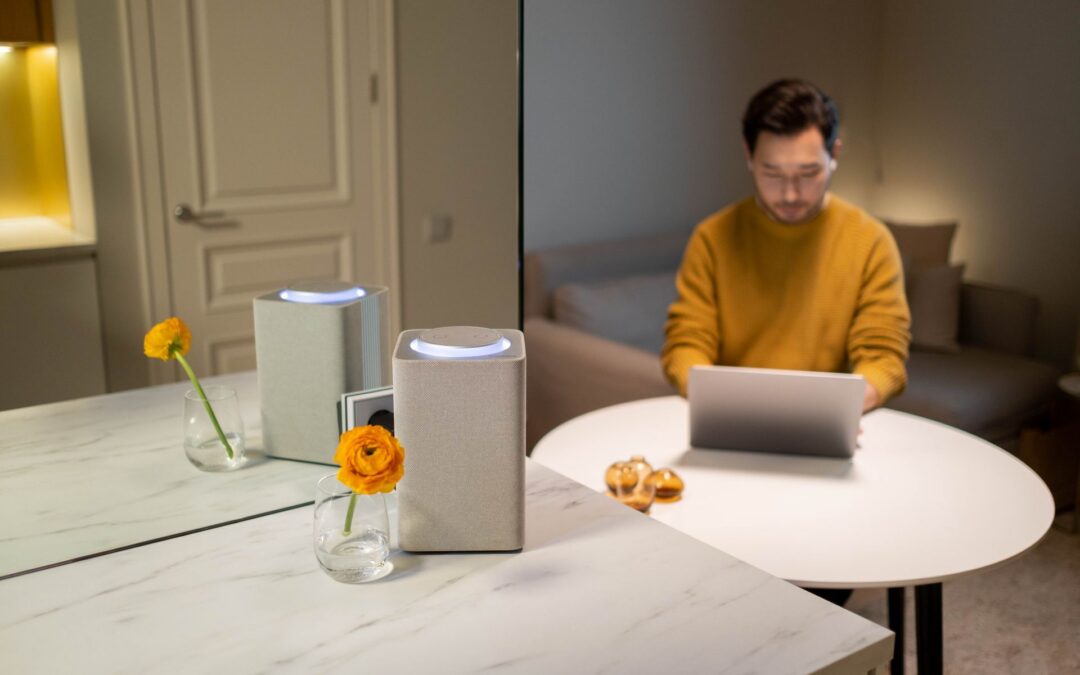
Two houses on the same street can have very different indoor air. Construction age, HVAC design, humidity, flooring, recent renovations, and previous occupants all affect what circulates indoors. That is why your new home may need a different air purification strategy instead of simply recreating the setup that worked at your old address. The right approach starts with understanding the new environment, then matching filtration, ventilation, humidity control, and purification to the conditions you actually have.
What Changes When You Move Into a Different Home?
The biggest change is not necessarily square footage. It is the combination of pollutant sources and the way air moves through the building. A newer, tightly sealed home may hold onto cooking emissions or volatile organic compounds longer. An older property may have dust in ductwork, air leaks, or moisture-prone areas. Different HVAC layouts can also distribute particles differently.

Before choosing equipment, think about what to inspect before turning on systems in a recently purchased home. Check filters, vents, visible ductwork, drain lines, and moisture around HVAC equipment. A system that sat unused or received inconsistent maintenance may need attention before daily use. QualityTX also recommends checking indoor air quality components before regularly operating them in a recently purchased property.
How Can Moving Day Affect Indoor Air?
Moving can temporarily raise particle levels because doors stay open, boxes shed fibers, and dust gets disturbed from floors and storage areas. PiggyBack Moving DFW recommends a deep clean before unpacking to reduce the debris that begins circulating once the HVAC system runs regularly.
The dust rarely settles when the truck leaves, since unpacking keeps disturbing surfaces for days. Check the HVAC filter once the last boxes are unpacked, not just before move-in. The system pulls in much of that leftover debris during the first week. In North Texas, where air conditioners run for most of the year, a clogged filter can also strain the unit and reduce airflow.

Which Quick Fixes Help Indoor Air in a New Home?
Some simple indoor air quality hacks can help during this transition, but they should support rather than replace a system-level plan. Useful early steps include:
- Replacing or inspecting the HVAC filter before heavy unpacking
- Vacuuming floors, vents, and upholstered surfaces
- Running kitchen and bathroom exhaust fans when needed
- Watching for musty odors or visible moisture
- Keeping pollutant-producing products sealed when not in use
Why Might Your Old Purifier Be the Wrong Fit?
A portable purifier that worked in one bedroom may be undersized for an open-plan living area. Ceiling height matters too. The EPA recommends matching portable air cleaners to the size of the area they serve. Larger spaces or high ceilings may require more capacity or multiple units.
This is one reason a new home may need a different air purification strategy even when your family, pets, and habits have not changed. The property may have more connected rooms, a different return-air layout, or pollutant sources your old home did not have.
Homeowners may also consider indoor air system upgrades after moving into a property with aging equipment or limited filtration. Options can include higher-efficiency filtration, dedicated air purification, ventilation changes, or humidity control. The best combination depends on what the HVAC system can support and which contaminants are present.
Which Pollutants Should Your Strategy Target?
Start with the pollutants most likely to be present in your specific home. Air cleaning equipment is not equally effective against every contaminant. The EPA notes that some filters mainly target particles. Gases and VOCs may require different media, including activated carbon or another adsorbent material.
Common concerns can include:
- Dust, pollen, and pet dander
- Fine particles from cooking or outdoor air
- Mold spores in moisture-prone areas
- Odors and certain gaseous pollutants
- VOCs from paints, flooring, furnishings, or cleaning products
Source control should come first whenever possible. Removing or reducing a pollutant source can be more effective than trying to capture everything afterward. Ventilation and filtration can then support that effort. The EPA identifies source control, ventilation, and supplemental air cleaning as core approaches to improving indoor air quality.
Does Your HVAC System Support Better Filtration?
Not every HVAC system should receive the highest-rated filter available. Higher-efficiency filters can add resistance to airflow, so system capability matters. ASHRAE advises considering pressure drop and HVAC compatibility when upgrading residential filtration.
A professional evaluation can review:
- Existing filter size and configuration
- Blower performance and airflow
- Duct condition and leakage
- Return-air placement
- Equipment age and maintenance history
A well-matched filter can improve particle removal without creating avoidable strain. A mismatched filter can reduce airflow and undermine comfort or system performance.
How Do Humidity and Ventilation Change the Plan?
Humidity and ventilation can completely change an effective air-quality plan. A damp home may need moisture control in addition to particle filtration. A tightly sealed property may need more deliberate ventilation than a draftier house. For those reasons, a new home may need a different air purification strategy even if you bring the same purifier with you.
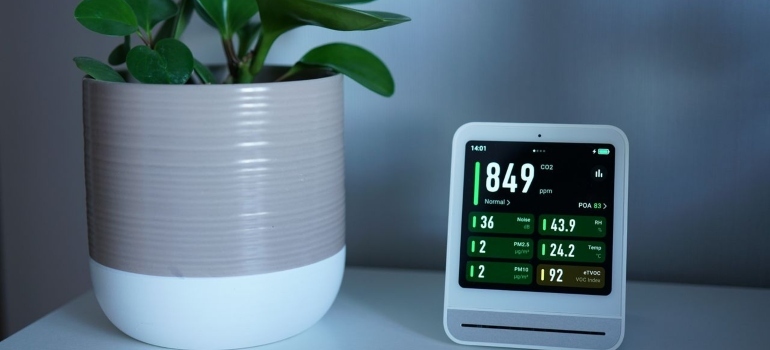
The EPA recommends keeping indoor humidity below 60%, with 30% to 50% presented as an ideal range. It also notes that ventilation with clean outdoor air can help reduce indoor pollutants when conditions allow.
A purifier should not be expected to solve problems caused by leaks, persistent moisture, weak exhaust, or inadequate ventilation. Each problem needs the right response rather than simply more filtration.
When Does Whole-Home Air Purification Make Sense?
Whole-home or professionally planned purification can make sense when you want broader coverage than a single-room device provides. It may also help when several rooms share recurring air-quality concerns.
Quality Home Products of Texas offers air purification options and emphasizes assessing the environment, current systems, space size, and air-quality needs first. They note that air purification is not a one-size-fits-all solution.
Before deciding, compare your home’s actual needs rather than the equipment you previously owned. Consider the rooms you use most, known pollutant sources, HVAC condition, and whether particles, odors, or moisture are the main concern.
How Should You Build Your New Air Purification Plan?
Start with the house, not the product. Inspect the existing system and identify likely pollutant sources. Then determine whether the priority is particle filtration, odor reduction, ventilation, humidity management, or a combination.
Your new home may need a different air purification strategy because a change of address also means different materials, airflow, HVAC capacity, moisture conditions, and pollutant sources. A plan tailored to the property can do more than copying the setup from your previous home. For help evaluating air purification options for a Texas home, contact Quality Home Products of Texas and choose a solution based on the space you have now.